Old Mushers, New Tricks
My fumbling attempts to transition a great sled dog into a great lead dog.
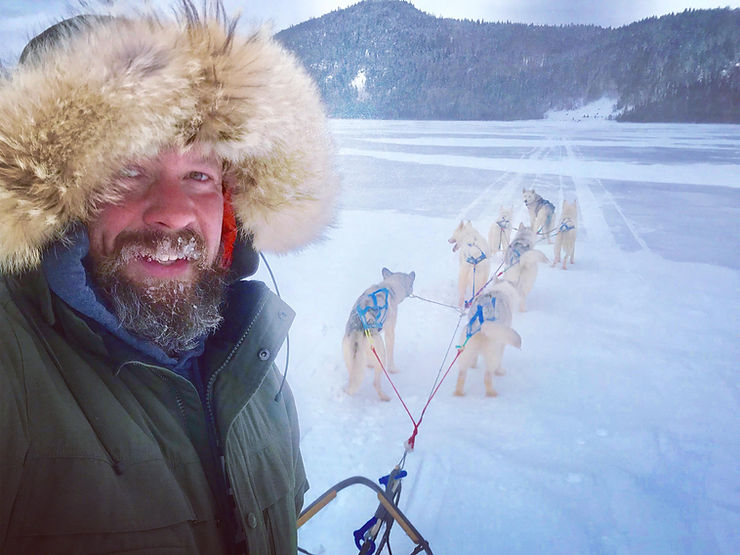
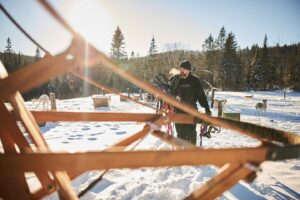
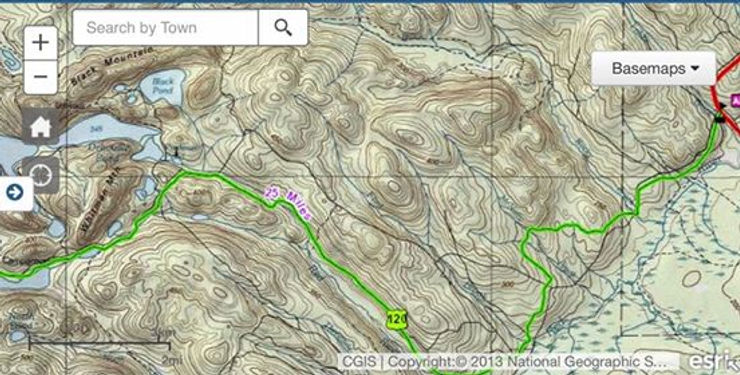
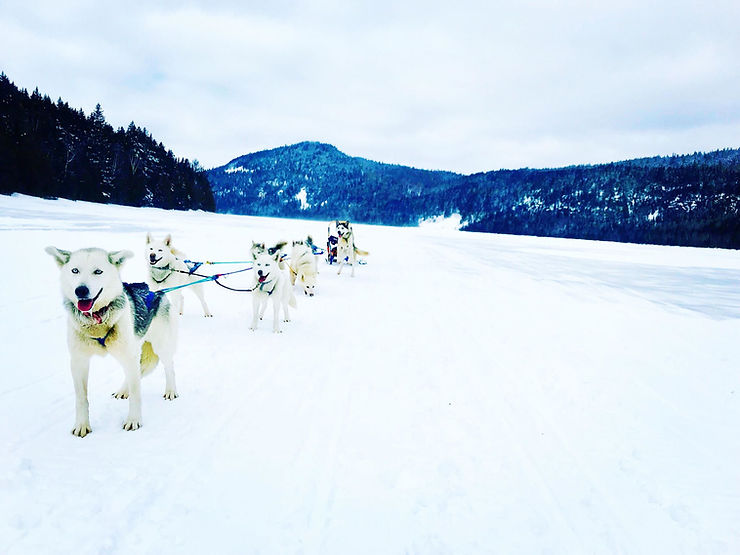
I loaded the team into my Expedition, strapped the sled to the roof, and headed to Saint Froid Lake. My goal was to mush 20 miles into the North Maine Woods to Deboullie Lake, at the foot of Deboullie Mountain, and then 20 miles back home.
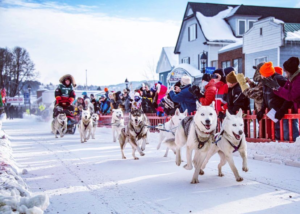
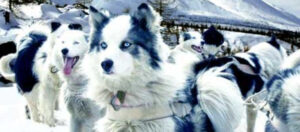
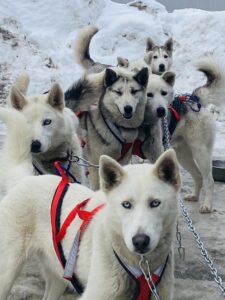
At 9:30 AM, with the temperature at 12°F, we pulled the quick release. I intended to try my young leaders, Druid and Vodka, in single lead. Most modern teams use two leaders as an “insurance policy,” but I love the rapport that develops with a single leader. Because this was their first time, I started with my veterans, Frost and Bear, up front to settle the team into a trot and to keep the jealous Frost from chewing the younger dogs’ lines.
However, Druid kept “doubling back”—turning toward me every time the team stopped. I initially scolded him, yelling “Line out!” thinking he was being lazy. Then I realized my mistake: Druid wasn’t being disobedient; he was seeking reassurance. He wasn’t sure if he was doing the right thing out there alone. Instead of scolding, I began walking to the front and lavishing him with praise. By the end of the 40-mile trip, he was a master of the position.
I also discovered Druid is a “trotter.” While the other dogs lope, Druid maintains a trot so efficient that the loping dogs behind him cannot outpace him. This efficiency makes him an ideal distance dog.
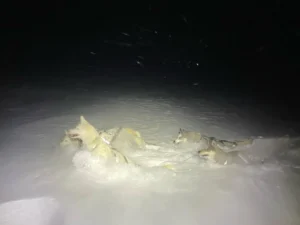
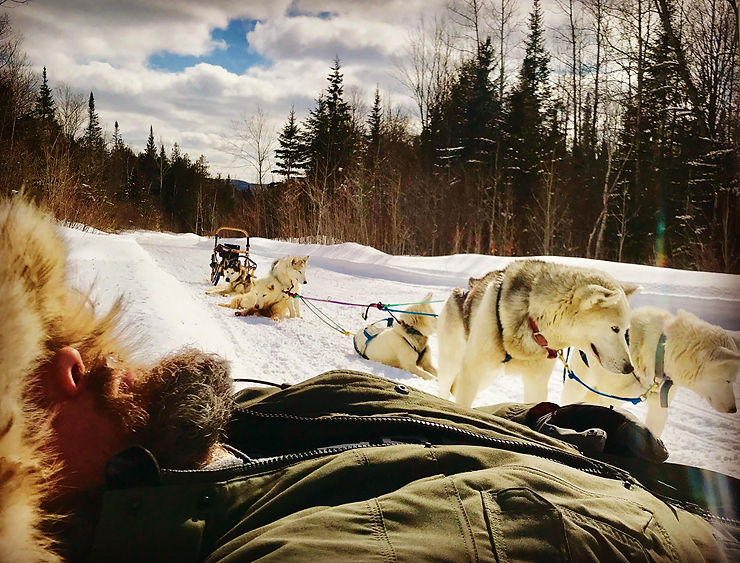
Five miles from the finish, under a 27°F sun, we took a final break. My conditioned veterans—Bear, Sawyer, and Frost—immediately lay down. The youngsters eventually followed my lead when I lay down in the trail. Only Druid remained standing, refusing to quit. Any doubt that he was the best athlete on the team was gone.
— Jonathan Nathaniel Hayes, Poland Spring Seppala Kennels