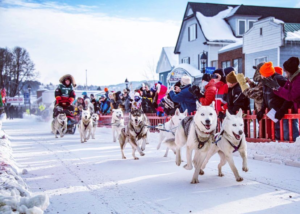
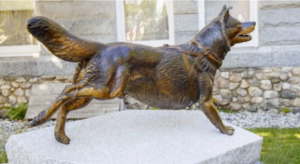
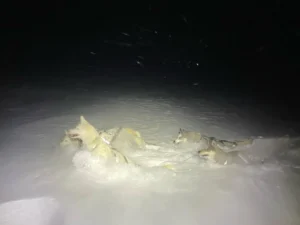
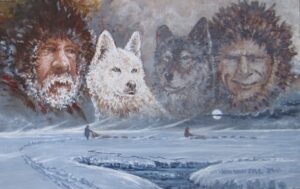
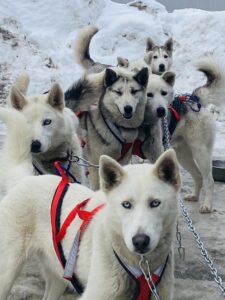
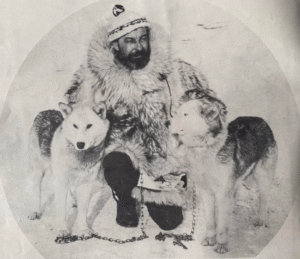
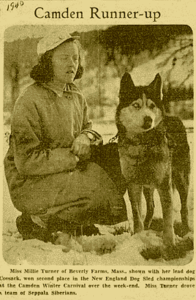
In January 1925, with a Diphtheria epidemic threatening the entire population of Nome, Alaska, a group of 20 mushers and roughly 150 sled dogs relayed crucial antitoxin from Nenana across 674 miles Alaska\’s frozen icy interior to Nome, saving the community. Legendary Alaskan dog musher Leonhard Seppala and his team of Siberian Huskies played a critical role in bringing the life-saving diphtheria serum to the isolated city of Nome Alaska. After these heroic acts, Seppala, his famous lead dog Togo, and the rest of the team relocated to Poland Spring, Maine.
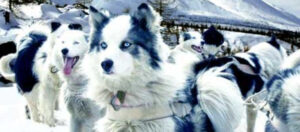
In a remarkable tribute to one of the most courageous feats in Arctic history, the Centennial Seppala Expedition is set to retrace the epic 1925 serum run to Nome, Alaska 100 years later. This extraordinary adventure will be led by renowned Maine musher Jonathan Hayes who has been has been carrying on the legacy, story and stewardship of the Seppala dog breed for the past 25 years.
In honor of this historic endeavor, the Centennial Seppala Expedition will follow the original route over 700 miles of Alaska’s most rugged terrain, from Anchorage to Nome in the coldest and darkest part of winter. The expedition will carry a symbolic load of diphtheria medicine, reflecting the spirit and significance of the original mission.
Objectives:
1. Historical Commemoration: To retrace the historic serum run route and honor the legacy of Leonhard Seppala, Togo, and the other mushers who played a pivotal role in the 1925 serum run.
2. Public Awareness: To increase public awareness about the historic significance of the serum run, the challenges of early 20th-century expeditions, and the ongoing importance of sled dog teams in Arctic exploration.
3. Scientific and Cultural Documentation: To document the expedition through various media, including film, photography, and interviews, capturing both the historical significance and contemporary challenges of such an endeavor.
4. Educational Outreach: To create educational content and programs that will inspire future generations about the spirit of exploration, teamwork, and resilience.
EXPEDITION DETAILS
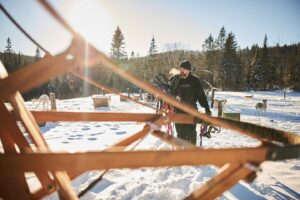
The expedition will follow the original serum run route from Nenana to Nome, Alaska, covering over 700 miles. The journey will mirror the challenges faced by Seppala and his team, including severe weather conditions, treacherous terrain, and the logistical demands of sled dog travel. Additionally, the team will be filming their entire journey and providing daily updates.
• Starting Point: Nenana
• Nenana to Old Minto: 28 miles – Following the Tanana River and its adjacent areas with relatively flat terrain but unpredictable due to potential overflow and shifting ice.
• Old Minto to Manley Hot Springs: 70 miles, Snow coverage and the potential for ice hazards.
• Manley Hot Springs to Bone Yard: 97 miles. Passing through remote wilderness and rugged terrain..
• Bone Yard to Ruby: 80 miles. Ascending into the mountainous Alaska Range. High elevation and extreme temperatures
• Ruby to Nulato: 98 miles. Descending into the lower terrain, navigating through forested and open areas with some river crossings
• Nulato to Old Woman Cabin: 84 miles. Following the Kuskokwim River and including both forested and open terrain.
• OWC to Shaktoolik: 73 miles. Relatively flat terrain with some river crossings.
• Skaktoolik to Elim:: 68 miles. Following the river valleys and included flat, open terrain.
• Elim to White Mountain: 48 miles. River crossings and varied terrain, transitioning from flat river valleys to slightly more rugged areas.
• White Mountain to Safety: 55 miles. A mix of coastal terrain and tundra..
• Safety to Nome: 22 miles. The final leg of the journey following the Bering Sea coast.
• Finish Line: Nome. The expedition concluded in Nome, a historic gold rush town on the western coast of Alaska.
THE TEAM

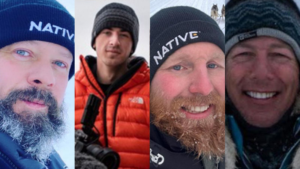
Jonathan Hayes. Hayes is the owner of Mush Maine – Poland Spring Seppala Kennels and has been carrying on the legacy, story and stewardship of the Seppala breed for the past 25 years. A former United States Marine infantryman, Hayes studied theology at Milligan College, biology at the University of Maine and conservation management at Antioch University. Hayes has trained and raced sled dogs both in Maine and Alaska.
TRAIL BREAKING, LOGISITICS AND FILMING

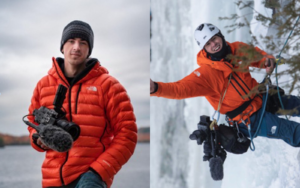
Caleb Gringas. Caleb Gingras joins our expedition team as lead videographer. A skilled cinematographer, photographer, and The North Face Canada ambassador, Caleb hails from Quebec and thrives in tough conditions where grit and expertise are essential. Passionate about capturing untold stories, Caleb brings exceptional adventure filmmaking skills. He’s equally excited to join the team and eager to learn about mushing and Arctic travel from Eric Larsen and Jonathan Hayes.

Jamie Nichols. Nichols is a master heavy diesel mechanic and business owner. Previously, he toured the country as a pit-crew chief and as well as a successful career in competitive adventure racing. In the past few years, Jamie has developed a passion for
mushing and knows the Seppalas dogs well and by name. He is an accomplished backcountry snowmobiler and the ultimate “MacGyver” when a fix is needed.
The Centennial Seppala Expedition is not just a retracing of a historic journey; it is a celebration of the enduring spirit of exploration, courage, and teamwork. By combining the expertise of Jonathan Hayes and Eric Larsen with the legacy of Togo and the rest of the Seppala dogs, this expedition aims to inspire and educate, ensuring that the heroic story of the 1925 serum run continues to resonate for generations to come.
IMPACT AND LEGACY
1. Historical Preservation: The expedition will serve as a living tribute to the bravery and endurance of the original serum run participants, preserving their story for future generations.
2. Educational Value: The project will create educational resources and programs that highlight the significance of the serum run and the broader history of Arctic exploration.
3. Public Engagement: By engaging with the public through media coverage and outreach efforts, the expedition will foster a greater appreciation for the role of sled dogs in history and modern exploration.
BUDGET
The estimated budget for the Centennial Seppala Expedition is $85,000. This budget will cover the costs of logistics, equipment, travel, support staff, media production, and educational outreach.
PARTNERSHIP OPPORTUNITIES
By bringing to life the 1925 Serum Run on its centennial anniversary, the Seppala Centennial Expedition will drive significant public and media interest, generating widespread coverage that highlights both the historical significance of the serum run and the ongoing relevance of this story today. The expedition will create valuable educational resources and programs, inspiring future generations through a dynamic portrayal of heroism and teamwork. The comprehensive documentation of the journey, including film, photography, and interviews, will provide lasting content that can be leveraged for ongoing engagement and fundraising efforts, ensuring a rich legacy that extends well beyond the expedition itself. A full sponsorship package and benefit matrix are available upon request.