History of
Seppala Sleddogs
Seppala Siberian Sleddogs gain their name from the man who created the breed back in the 1920s, Leonhard Seppala.
Leonhard Seppala
Early Life and Youth in Norway
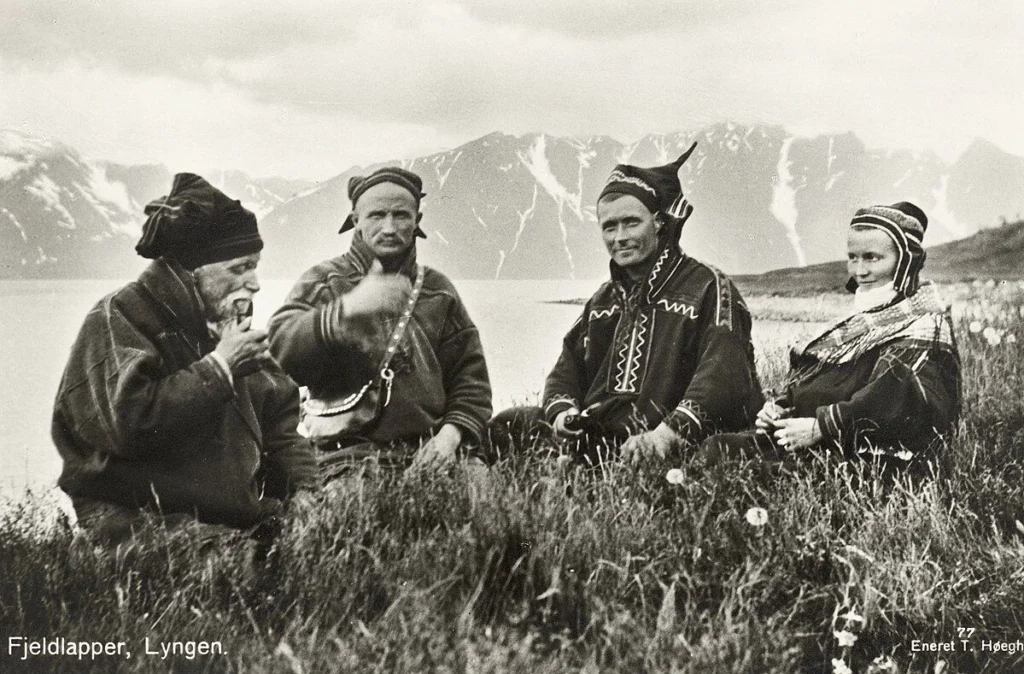
Leonhard Seppala was born on September 14, 1877, in the village of Lyngseidet in Lyngen Municipality, Troms County, Norway, to Isak Isaksen Seppälä and Anne Henrikke Henriksdatter.
His father, of Tornedalian (Swedish) descent, worked as a blacksmith and fisherman; the family name “Seppälä” comes from the Finnish word *seppä*, meaning “smith.”
At age two, his family moved to the nearby island of Skjervøya, where Leonhard apprenticed under his father as both blacksmith and fisherman, gaining a sturdy work ethic and deep connection to the rugged Arctic environment.
Emigration to Alaska and Nome Racing Career
In 1900, drawn by tales of the Nome gold rush, Seppala emigrated to Alaska upon the invitation of his friend Jafet Lindeberg, co‐founder of the Pioneer Mining and Ditch Company in Nome.
During his first winter, he served as a dogsled driver for Lindeberg’s company—covering 50–100 miles per run, often working 12‐hour days, and keeping his dogs in peak condition by training them on wheeled carts during snowless months.
Seppala inherited his first team of Siberian puppies in 1914—originally intended for Roald Amundsen’s North Pole expedition—and promptly fell in love with their endurance and temperament.
He debuted in the 1914 All Alaska Sweepstakes but withdrew after a near‐fatal whiteout incident that shredded his dogs’ paws; however, he made a dramatic comeback by winning the Sweepstakes in 1915, 1916, and 1917, establishing himself as Alaska’s premier musher.
Role in the 1925 Serum Run to Nome
When diphtheria struck Nome in January 1925, Seppala was chosen to cover the most hazardous 260‐mile stretch from Nulato to near Nome’s outskirts—crossing Norton Sound’s treacherous ice and blizzard conditions at temperatures well below –40 °F.
His lead dog, the legendary Togo—then 12 years old—demonstrated exceptional intelligence, strength, and leadership, guiding the team through whiteouts and shifting ice for more than 125 miles in a single run.
Thanks to Seppala and Togo’s efforts, the serum arrived in Nome on February 2, 1925, ultimately saving countless lives and inspiring the annual Iditarod Trail Sled Dog Race in commemorative honor.
Touring the Lower 48 and Development of the Seppala Siberian Sleddog
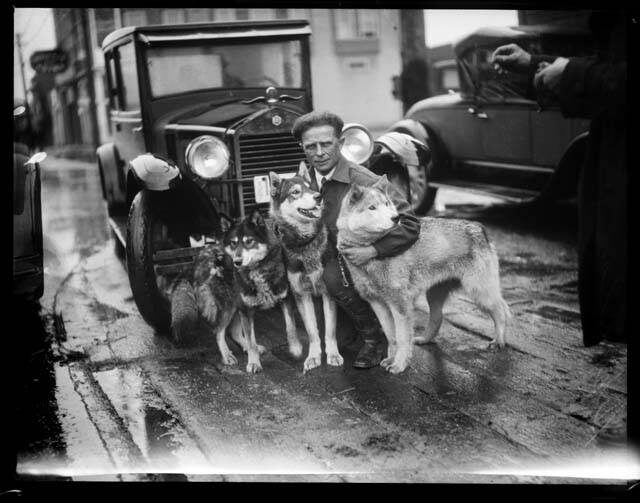
Following the Serum Run, Seppala and approximately 40 of his dogs embarked on a nationwide exhibition tour of the “Lower 48,” captivating audiences with demonstrations of sled dog speed and teamwork.
In January 1927, he and his team raced against Arthur Walden’s Chinook‐led team at Poland Spring, Maine, prevailing despite Walden’s heavier dogs—an outcome that fueled New England’s enthusiasm for sled dog racing.
Capitalizing on this publicity, Seppala partnered with Elizabeth Ricker to establish a Siberian kennel at Poland Spring—breeding Togo and other foundation dogs to preserve and refine the Siberian working lines.
This program gave rise to the “Seppala Siberian Sleddog” line—characterized by exceptional endurance, intelligence, and loyalty—and laid the groundwork for the modern Siberian Husky’s popularity in the United States and Canada.
Later Years: Alaska, Seattle and Legacy
In 1928, Seppala returned to Alaska, establishing a new home near Fairbanks; the Seppala–Ricker partnership concluded in 1931.
He represented the United States at the 1932 Lake Placid Winter Olympics when sled dog racing was featured as a demonstration sport, earning a silver medal for his team’s performance.
In 1946, he and his wife Constance moved to Seattle, Washington, where they lived until his death on January 28, 1967, at the age of 89; both are buried in Nome, and his ashes were scattered along the Iditarod Trail during Alaska’s 1966 centennial celebration.
Seppala Drive—connecting Nome to its airport—is named in his honor, and the Leonhard Seppala Humanitarian Award recognizes excellence in sled dog care; in 2019, Disney’s film *Togo* further immortalized his and his dogs’ heroic achievements.
Togo's Final Years and Posthumous Honors
After retirement at the Ricker Kennel in Poland Spring, Togo was euthanized by Seppala on December 5, 1929, at the age of 16 due to joint pain and partial blindness; his mounted skin toured museums, ultimately residing in Alaska’s Iditarod Trail Headquarters, while his skeleton is preserved at Yale’s Peabody Museum.
Leonhard Seppala’s innovations in dog training, sled design, and breed development revolutionized mushing and left an indelible mark on Arctic exploration and canine history. His life—from a Norwegian blacksmith’s son to Alaska’s “Cool, Clear Elder” of sled dogs—continues to inspire mushers and dog lovers across the globe.


