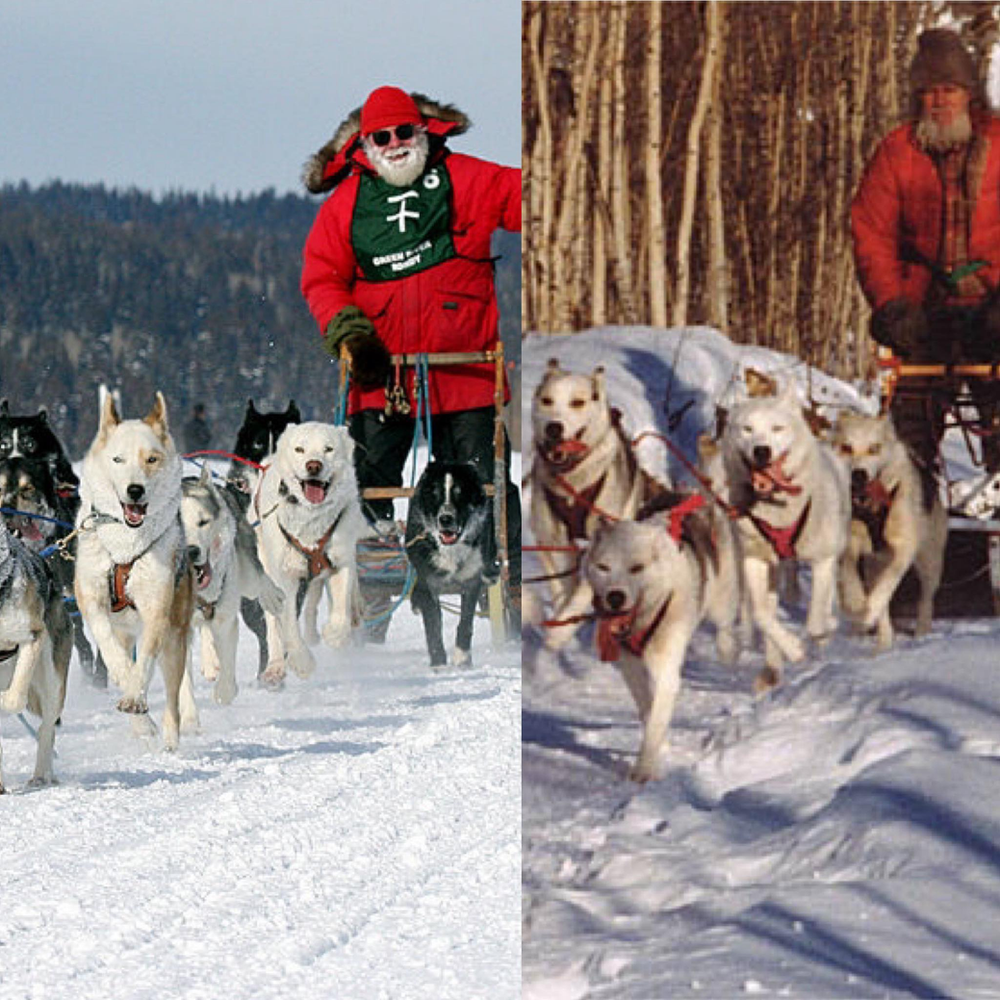
Those who are new to the world of Seppalas are often confused by the fact that, while most Seppala Siberians are considered Siberian Huskies by the American Kennel Club, most Siberian Huskies are not considered Seppalas by the ISSSC, ISA, or the Continental Kennel Club.
But it really isn’t that complicated once one stops to think on it. While many of Leonhard Seppala’s dogs also serve as foundation stock for the mainstream Siberian Husky, Leonhard Seppala, Wheeler, Shearer, McFaul, Bragg, Willet, and other breeders — right up to the present — have kept the Seppala line separate from the mainstream and racing Siberian Husky. AKC Siberians have Seppalas in their lines, but other lines in them as well.
Not only did a dog need to be descended from these original Seppalas to be considered a Seppala by these stewards of the breed, but it also had to come from harness-proven Seppala parents.
Without the additional “harness-proven” requirement, the breed would likely spiral into the same pitfall that has been the demise of so many working dogs. Show dogs bred for *form* rather than *function*, generation after generation, produce a dog that looks the part but hasn’t the work ethic or genetic drive for the original work intended for the breed — “all bark and no bite,” as the old saying goes. Sighthounds like Irish Wolfhounds that no lurcher hunter will work with because they can no longer do the job. Shepherd breeds that cannot herd. Sled dog breeds that can no longer perform well in harness — all after only a few generations of breeding by pet or show owners who did not field-test their dogs.
This is one of the great strengths of the International Seppala Siberian Sleddog Club’s partnership with the Continental Kennel Club as the official breed registry. Within the CKC, we can add a work performance requirement alongside pedigree requirements.
All that said, many Seppala kennels have wanted to have their cake and eat it too by dual registering their litters — myself included. I am chief among such sinners. There has been good reason for it.
Some do it to boost the sale value of their Seppalas — a double set of papers simply looks good to a prospective buyer. But I can speak for myself when I say that the biggest reason for us has been our partnership with Seppala kennels in Europe, many of which belong to mushing clubs that only allow purebreds to race and only acknowledge the broader Siberian Husky. For those European kennels, it has been worthwhile to continue AKC registration for as long as possible, to ensure they could keep obtaining Seppalas from the USA for breeding purposes.
Despite those good intentions, both of the Seppala “breed saviors” of the last generation warned against the danger of keeping the Seppala under the umbrella of the Siberian Husky in the American and Canadian Kennel Clubs. In the second half of the last century, both Jeffrey Bragg in Canada and Doug Willet in the USA stopped dual registering their Seppalas as Siberian Huskies, and both strongly urged their followers to do the same. Both lost supporters as a result of their stands on this issue.
Why did they warn against dual registration? For a few very good reasons.
First, so long as we continue registering our Seppalas as Siberians, the Seppala will never be seen as the unique breed it is by the general public — or by purebred sled dog clubs. Dual registration has fueled the continual debates over what a Seppala is and whether the Seppala is a breed in its own right.
But more importantly, both these visionaries knew that if we kept dual registering our dogs, we would avoid making the painful but necessary outcrosses needed to address the genetic bottleneck in our breed. Founder effects, Coefficient of Inbreeding, and related concerns were very real to them both — and can no longer be ignored.
Despite the division between the two men, they had far more in common than what divided them. While they disagreed about which outcrosses should be used, they both agreed that outcrosses must be used. Both men undertook the herculean task of selecting suitable outcrosses and breeding subsequent generations back into the Seppala pool to deepen the genetic health of the breed.
This essential labor could not have been done under the umbrellas of the American or Canadian Kennel Clubs. And so they both took the leap and left the mainstream registries for the future good of the Seppala Siberian Sleddog.
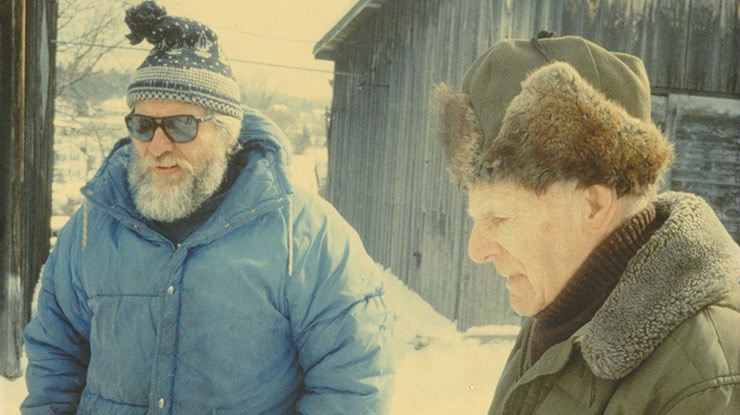
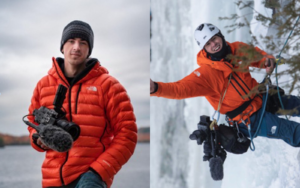
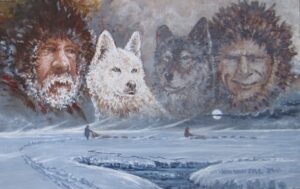
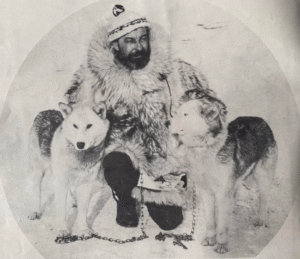
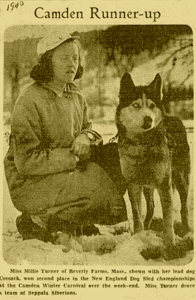
*Seppalas passed from one generation to another (Willet, left; McFaul, right). Will our generation ensure the legacy, or let it die?*
We find ourselves now at a crossroads — one filled with potential and promise, or demise.
If we continue insisting on dual registering our Seppalas, we will see the future of the breed continue to decline, both in health and in its uniqueness.
But there is good news. The hard work of outcrossing and breeding back for generations has already been done, and we can all benefit from the labors of our predecessors. By simply embracing the outcrosses already completed and bringing them together in one breeding pool, we can see a healthy, working Seppala long into the future. We could soon have enough genetic diversity to close the studbooks for the foreseeable future — then add a stud or two every few decades to keep the breed healthy, as the breed club sees fit.
The work is done. It only remains for us to put the pieces together and see the fruition of the seeds our predecessors have sown. But the Seppala cannot enjoy the fruit of this labor so long as we insist on keeping it under the AKC umbrella.
Thankfully, we have a breed registry — the Continental Kennel Club — that understands the Seppala cause, has worked with the breed for decades, and has set the parameters within which this can be accomplished.
For these reasons, Poland Spring Seppalas has decided to lead by example. Last year we acquired a Seppala stud from Bragg’s outcross lines at some expense. Since Bragg’s Siberian imports were not registered with Canadian Kennel Club Siberians, any pups sired from these outcrosses would not be eligible for AKC registration.
I have reached out to others with both lines, and talks seem promising, though by no means certain. I have spoken with some long-time Seppala mushers who have said, “Yes, this must be done. But our kennel lines and numbers are too well established to take that on here. It needs to be done by the next generation of Seppala kennels.”
We will no longer let AKC registration be a factor in determining what dogs are bred here at Poland Spring Kennels. We are not breeding Siberian Huskies. We are breeding Seppalas. Where breedings permit it, we will continue dual registration for the benefit of our Seppala friends abroad. But the only way to reunite the breed from its splinters is to breed all Seppalas back together — which we can do with confidence within the Continental Kennel Club.
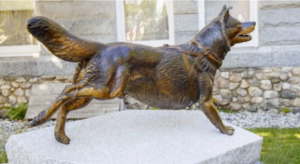
We are excited about the addition of *Poland Spring’s Shiro of Snowy Owl* to our kennel, representing the labors of Jeffrey Bragg. He is 8 years old but shows no sign of slowing. He is tireless in the traces, will eat whatever we put in front of him, and keeps his weight on well — an easy keeper, as we southerners would say of our horses. We look forward to our first litter from him. But he is only one dog. We are only one kennel.
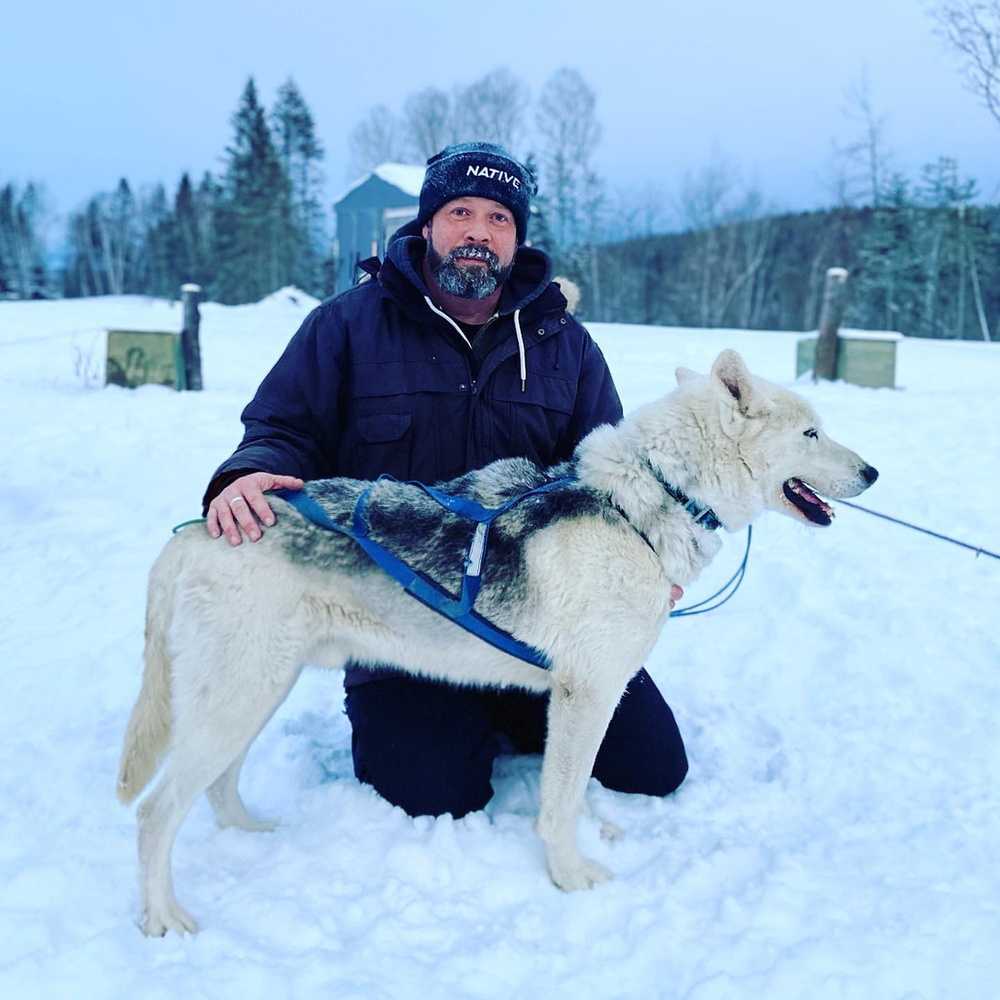
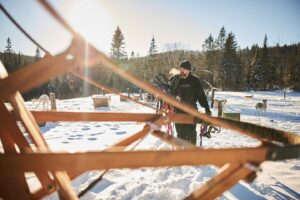
*Jonathan Hayes with “Shiro the Hero” (Poland Spring’s Shiro of Snowy Owl).*
One kennel cannot undertake the work of the next era of the Seppala alone. It will take several generations of judiciously bringing the American and Canadian lines back together. I can’t do this alone.
So this is my call to action — will you help? We cannot let the efforts of our predecessors be in vain. I think the greatest compliment we can pay to those who have wrestled with preserving our breed for the past 100 years is to bring the Seppalas back together under one big umbrella and breed them intentionally back toward one another. I am honored to serve on the board of the ISSSC, though I cannot speak for the club or its members. This is my vision for the vibrant future of the Seppala Siberian Sleddog.
Will you help?