A Canoeing Adventure with My Sons in the North Woods of Maine
Updated:
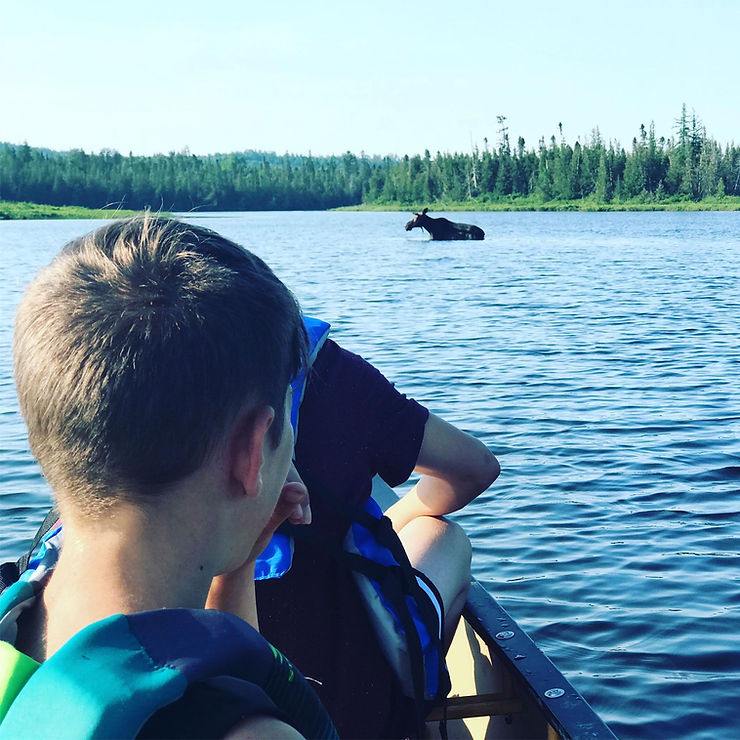
“No mosquitoes? Strange,” I thought. Earlier, a zombie swarm had hummed just outside our tent, but they had finally abated. Their noise was replaced by the soul-stirring cries of the Great Northern Divers—loons answering each other across the expanse. Coywolves joined the symphony, unable to resist the call.
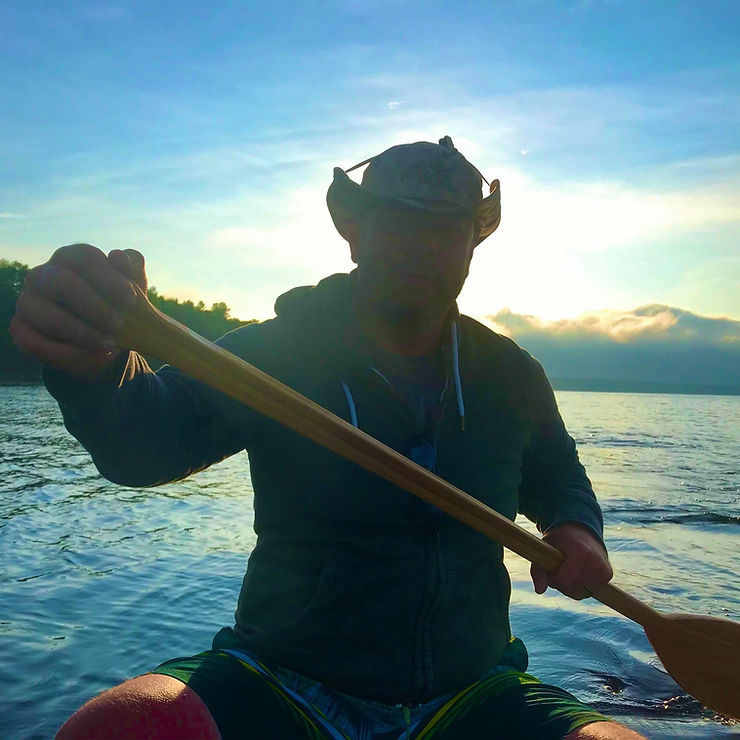
We had started our mini-expedition at 4:30 AM, launching our 17-foot Old Town Canoe at our home on Long Lake in Saint David, Maine. Caleb (sixteen) and Christian (thirteen) are mentally tough boys. They knew adventures with Dad are never easy, but the tales are always worth the discomfort.
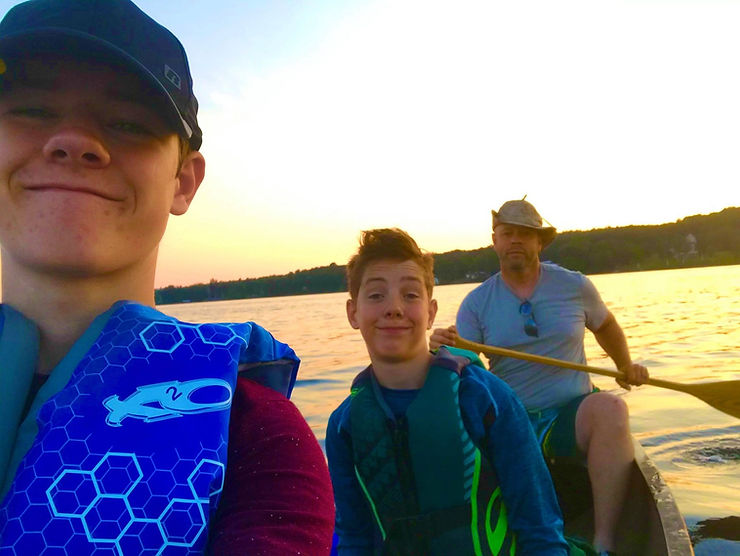
Testing Mettle on the Chain of Lakes
This first day was a test. We traversed Long Lake, Mud Lake, Cross Lake, and finally Square Lake. Square Lake proved the most grueling; the sun was at its hottest, and we struggled to find the outlet. Against my better judgment, I let the boys’ optimism guide our route across the open water rather than hugging the shore. It cost us time and extra exposure to the heat—a failure on my part as a navigator, though born of hope.
Nature eventually forced our hand between Square and Eagle Lakes when an approaching thunderstorm and sudden southern winds made rowing impossible. We took shelter on the shore until the storm passed. Launching again, I quoted, “The wind bloweth where it listeth…”
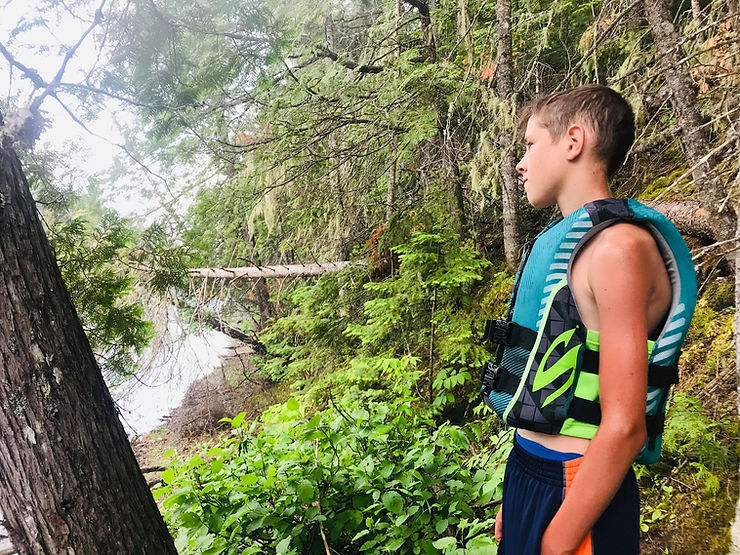
A North Woods Safari
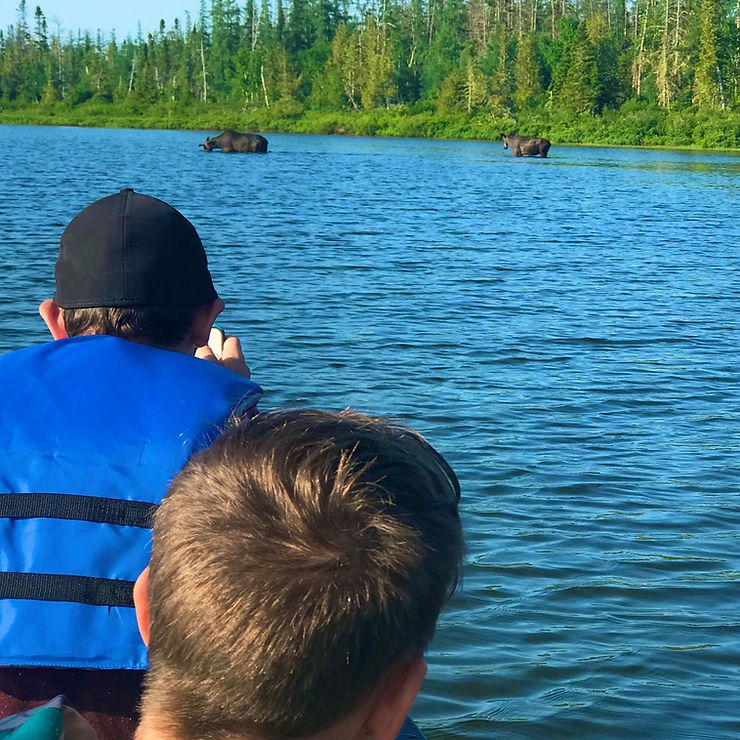
We didn’t expect the trip to be the safari it turned out to be. In the first day alone, we counted four moose, a muskrat, a marten, loons on every lake, several ospreys, a heron, a snowshoe hare, and more than a dozen bald eagles. Many were juveniles, identifiable by their dark brown plumage rather than the classic white head, which signifies a healthy resurgence of the species.
The highlight was a young bull and cow moose grazing along the shore of Mud Lake. Knowing that boreal species often don’t expect danger from the water, I guided the canoe silently between them. We were within touching distance. Fearing the bull might spook and capsize us with my sons in the bow, I eventually raised an oar and announced, “OK moose! The party is over!” The bull plunged toward the shore while the cow simply continued chewing her cud.
Day Two: Eagle Lake and the Fish River
The second day began at 4:30 AM with “Allagash Oatmeal”—coffee used instead of water to cook the oats. The boys found it disgusting. We launched into Eagle Lake against a strong headwind and white-capped water. Eighteen miles of rowing is a daunting task, but as the lake curved north, the wind shifted to our backs.
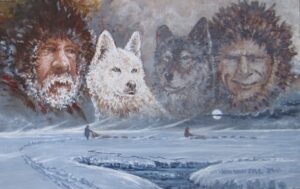
We navigated a precarious “beam sea” turn, timing the waves to avoid being hit broadside. Once turned, we were surfing the white caps. This led to a discussion about the “Angel of these waters” and the Great Spirit of the Maliseet people who called these waterways home long before us. We reflected on the tragic history of European diseases that wiped out 95% of the native population who once thrived in villages along these very shores.
The Confluence and the Block House
We reached the Fish River, where narrow shores created exciting low-grade rapids. We were grateful for enough flow to avoid “walking” the canoe. At Fish River Falls, the adventurer in me wanted to shoot the falls, but the father in me chose discretion. We ported the gear and canoe 200 yards around the drop.
The falls act as a vital ecological barrier, preventing invasive bass and muskie from reaching the upper chain of lakes, thus protecting indigenous Togue, Landlocked Salmon, and Brook Trout.
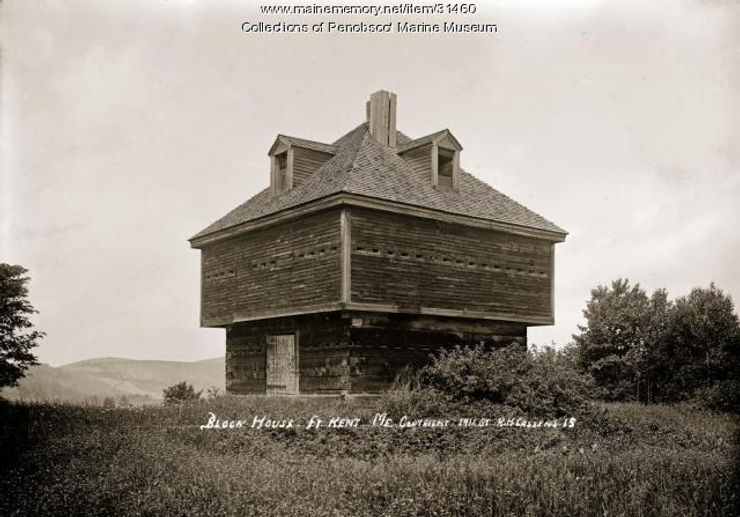
We finished in Fort Kent at the confluence of the Fish and Saint John rivers. This site is home to the early 19th-century “Block House,” built during the bloodless Aroostook War—a border dispute where the only casualty was a mistaken milk cow.